Easter Delight Bunny Applique 2: Craft Fair Review
As an embroidery designer who has prepped dozens of booth tables for spring craft fairs, I know the difference between a design that sells and one that sits. When I first opened the Easter Delight Bunny Applique 2 embroidery file, I immediately saw its potential for handmade product lines aimed at Easter shoppers. This is a review from the trenches, written for Etsy sellers, small shop product makers, and anyone planning a craft fair product lineup this season.
First Impression: Cute, Festive, and Booth-Ready
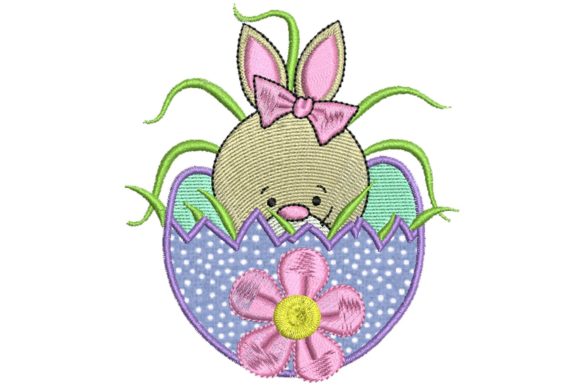
The Easter Delight Bunny Applique 2 strikes a balance between playful and polished. The applique style gives it a dimensional, tactile quality that photographs well and catches the eye on a crowded table. It feels festive without being overly cartoonish, which means it can appeal to both parents buying for children and adults looking for decorative finished product items. The design reads as a sweet, approachable bunny that fits the Easter theme without screaming for attention. For a craft fair product, that is a strong starting point.
Where This Design Shines on Products
I tested the Easter Delight Bunny Applique 2 across several product types to see where it delivers the most visual impact and practical value for a selling booth. Here is what I found:
Tote Bags and Market Bags
On a simple cotton tote bag, this design becomes a focal point that customers notice from across the booth. The applique shape sits well on the front panel, and the stitch density holds up on medium-weight fabric. I found it works best as a centered design, roughly 4 to 5 inches tall, so it reads clearly without overwhelming the bag. For a tote bag design, it feels giftable and easy to produce in batches.
Aprons and Kitchen Towels
An apron embroidery featuring the Easter Delight Bunny Applique 2 makes a charming hostess gift or Easter brunch accessory. On a chef apron or half-apron, the design sits nicely on the bib or lower pocket area. For tea towel embroidery, the bunny works as a center motif or a corner accent. I recommend testing on a scrap towel first, as textured fabrics can sometimes distort applique edges if the stabilizer is not matched correctly.
Baby Bibs and Children's Apparel
The product description specifically mentions baby bibs, cloths, and children's T-shirts, and I agree wholeheartedly. The Easter Delight Bunny Applique 2 is soft enough for a baby garment but still has enough visual weight to stand out. On a bib or onesie, it becomes an instant conversation starter at the booth. Parents love the handmade feel, and the applique adds a layer of quality that plain printed designs cannot match.
Caps and Patches
I tested this on a cap and was impressed with how the design adapted to the curved surface. The applique layers sit flat without puckering when properly hooped. For an embroidered patch, the Easter Delight Bunny Applique 2 cuts out nicely and can be sewn onto bags, jackets, or even framed as a mini wall hanging. Patches are a lightweight craft fair product that customers love to grab as affordable gifts.
Pillow Covers and Fabric Pouches
A pillow cover with this bunny applique becomes a seasonal decor item that sells well in the weeks before Easter. I stitched it onto a 12-inch square pillow panel, and the result was a clean, professional look. Small fabric pouches also benefit from the design, especially when the bunny is scaled down slightly. The applique retains its charm even at a smaller size, which is a good sign for batch production.
Practical Selling Points for Booth Display
The Easter Delight Bunny Applique 2 offers several advantages for a craft fair product lineup. First, the design is easy to understand at a glance. Customers walking past a booth can see the bunny shape and immediately connect it to Easter, which reduces the time you spend explaining each product. Second, the applique style gives a premium, dimensional feel that justifies a higher price point. Shoppers perceive applique as more labor-intensive and therefore more valuable than a simple print.
For Etsy seller listings, this design photographs beautifully. The layered fabric edges catch light in a way that flat embroidery does not, making your printable mockup or real product shot stand out in search results. I recommend taking close-up photos that show the texture of the applique, as well as lifestyle shots on a tote bag or baby bib. The digital embroidery file itself is clean, but your design assets and photos will be what sells the final product.
Production Notes: What to Watch For
No design is perfect for every surface, and the Easter Delight Bunny Applique 2 has a few considerations that any embroidery designer or commercial embroidery operator should keep in mind.
Stitch Density and Tiny Details
The applique areas are well-defined, but I recommend checking the stitch density in the satin borders and any small accent details. If the design includes tiny elements like whiskers or small flowers, those may lose clarity on textured fabrics or at smaller hoop sizes. Always test on a scrap of your intended fabric before committing to a production run. Dense stitch areas can cause fabric puckering if the stabilizer is not heavy enough.
Fabric Texture and Thickness
This design works beautifully on medium-weight cotton, linen, and denim. On thick fabrics like terry cloth or heavy canvas, the applique edges may need a bit more stabilizer to stay crisp. For tea towel embroidery or kitchen towels, use a tear-away stabilizer and test the thread colors against the towel background. Dark fabric requires careful thread contrast planning so the bunny does not get lost.
Hoop Size and Scaling
Before you start production, confirm the hoop size required for the machine embroidery design. If you plan to scale the design up or down, test the stitch quality at each size. Small scaling may cause the applique to lose its crisp edges, while large scaling may push the stitch density too high for lightweight fabric. I always stitch one real mockup before cutting fabric for a batch.
Cap and Curved Surfaces
For cap embroidery, the Easter Delight Bunny Applique 2 requires a properly curved hoop and careful stabilizer choice. The applique layers should be tacked down securely before the satin stitch. If the cap is structured, pre-test the placement so the design does not drift toward the seam or peak.
Visual Appeal and Customer Engagement
At a craft fair, every second counts. The Easter Delight Bunny Applique 2 grabs attention because of its clear silhouette and soft, festive mood. Customers tend to stop and touch applique designs, which is a natural opening for conversation. I have found that designs with a strong central shape, like this bunny, encourage shoppers to pick up the product and examine the stitching. That tactile engagement often leads to a sale.
For handmade product lines, consistency matters. If you offer multiple products featuring the same Easter Delight Bunny Applique 2 (tote bags, bibs, towels, patches), your booth looks cohesive and professional. Customers see the design repeated across items and perceive it as a signature collection, which builds trust and brand recognition.
Before You Start Production: Designer Checklist
Whether you are a digital seller preparing files or a Cricut and embroidery crafter stitching for a weekend market, take these steps before you commit to a full batch.
- Test on scrap fabric with the same texture and weight as your final product. Check for puckering, thread breaks, and edge clarity.
- Review thread contrast against your chosen fabric color. Light thread on light fabric may disappear. Dark thread on dark fabric may lose the design.
- Check spacing around the design. Leave enough margin for hooping, trimming, and finishing. Avoid placing the design too close to seams, zippers, or hems.
- Confirm hoop size and ensure your machine can accommodate the embroidery file without multiple re-hoopings. Batch production goes faster when you can repeat the same hoop setup.
- Inspect stitch density in the applique layers and satin borders. If the density is too high, reduce it slightly or use a lighter stabilizer. If too low, reinforce with a second layer of stabilizer.
- Use the right stabilizer: tear-away for stable woven fabrics, cut-away for knits and stretchy materials, and water-soluble for high-pile or textured fabrics.
- Create at least one real mockup of your best-selling product, such as a tote bag or baby bib, and photograph it for your Etsy seller listings and booth display.
- Compare fabric colors in natural light and under booth lighting. What looks good in your studio may look different under fluorescent market lights.
- Confirm commercial licensing before selling finished product items. Even if you purchased the digital embroidery file, check the license terms for commercial embroidery use. Some licenses restrict the number of items you can sell or require a separate commercial fee.
Final Thoughts: Is This Design Booth-Ready?
The Easter Delight Bunny Applique 2 is a solid choice for any craft fair product lineup aimed at Easter shoppers. It offers a cute, festive look that translates well across multiple product categories, from tote bag design to apron embroidery to embroidered patch items. The applique style adds a premium feel that customers notice and value, and the design photographs well for online listings.
As with any machine embroidery design, the final result depends on your preparation, fabric choice, and stabilizer strategy. Test thoroughly, stitch one real sample, and confirm your licensing. With those steps in place, the Easter Delight Bunny Applique 2 can become a reliable bestseller in your spring booth. I have already added it to my own production queue for the upcoming fair season, and I expect it to be a consistent favorite among customers looking for handmade Easter gifts.