First Love: A Professional Embroidery Designer's Honest Review
When I first saw the First Love machine embroidery design on Creative Fabrica, I was immediately drawn to its romantic, soft-spoken charm. As someone who has stitched hundreds of commercial embroidery projects, I have learned to look beyond the preview image. A design can look beautiful on screen but behave very differently under the needle. After downloading the embroidery file and testing it across multiple fabric types, I want to share my honest evaluation of whether First Love truly delivers for real handmade products and custom apparel work.
First Impressions and Visual Mood
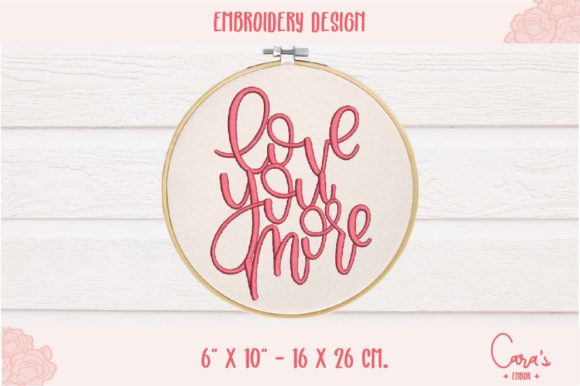
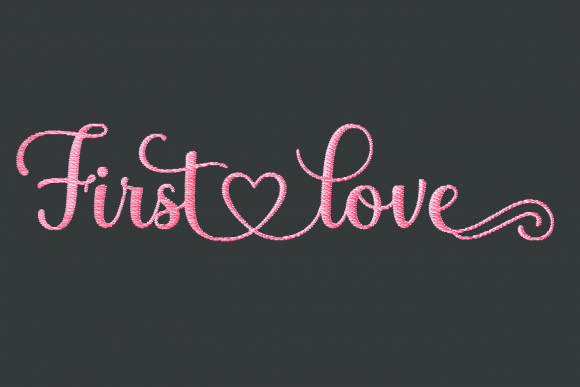
First Love carries a gentle, sentimental personality that fits naturally into the Wedding Quotes category. The lettering has a graceful, slightly cursive feel without being overly ornate. It strikes a nice balance between decorative and readable, which is critical when you are stitching for a client who expects clarity in every curve. The design does not scream for attention; rather, it invites a closer look, making it ideal for pieces where the message matters as much as the embroidery itself.
On first glance, I noticed the satin stitch elements appear smooth and well-proportioned. The fill stitch areas look dense enough to provide solid coverage but not so heavy that they would distort lighter fabrics. The running stitch accents add a delicate touch that gives the design a layered, hand-drawn quality. This is exactly the kind of machine embroidery design that can elevate a simple tote bag or a plain sweatshirt into something that feels personal and meaningful.
Real-World Performance on Different Surfaces
I tested First Love on several substrates that represent the kinds of projects my customers typically request. The first run was on a medium-weight cotton tote bag with a medium-weight cutaway stabilizer. The stitching came out clean, with no puckering or shifting. The satin stitch edges were crisp, and the fill stitches laid down evenly. I was particularly pleased with how the design handled the corners of the lettering, where many designs tend to pull or leave gaps.
Next, I moved to a cotton-polyester blend sweatshirt. Stretchier fabrics can be tricky, especially when a design has dense stitch areas. I used a sticky stabilizer and a light-weight tear-away on top, which helped keep the fabric stable. First Love performed well here too. The stitch density felt appropriate, not so high that the fabric distorted, but dense enough that the lettering stands out with a solid, premium look. I would recommend a test stitch on a scrap piece of your actual fabric before committing to a production run, especially if you are working with knits or stretchy materials.
I also tested the design on a dark fabric using a white thread. The contrast was excellent, and the design read clearly from a distance. For dark fabrics, I suggest using a white or light-colored bobbin thread and checking the back of the stitching to ensure no show-through. The thread colors recommended for the design are minimal, which is a bonus for anyone who wants to keep their thread inventory manageable. A single-color stitch works beautifully for this design, though a two-tone approach could add extra depth if you are creating a more elaborate piece.
Small Hoop and Lettering Considerations
One question I always ask about a design like this is whether it can hold up in smaller hoop sizes. The hoop size required for First Love is not listed in the product snippet, so I recommend checking the exact dimensions on the Creative Fabrica product page before you start. If you are planning to stitch this onto a cap, a patch, or a small garment like a baby onesie, you need to confirm that the design fits within your available hoop. Small lettering can be especially vulnerable to thread breaks and registration issues, but the spacing in this design appears to allow for reasonable tolerance.
For caps, I would advise using a curved surface attachment and a stiff backing to prevent the design from shifting. The gentle curves of the lettering should adapt well to a cap's shape, but a test stitch on a practice cap is always a good idea. For patches, the design has enough visual weight to work as a standalone embroidered patch, especially if you use a dense satin stitch border around the edge.
Practical Considerations for Commercial Embroidery
If you are an Etsy seller or a small business owner creating custom apparel, First Love offers several advantages. The design is versatile enough to work on a wide range of products: baby blankets, kitchen towels, pillow covers, aprons, and even nursery decor. I can easily see this design on a set of matching burp cloths and bibs for a baby shower gift, or on a pair of linen pillowcases for a wedding present. The sentiment is universal and timeless, which gives it strong giftability.
For commercial embroidery use, check the licensing details on the Creative Fabrica product page. The product description states that the design comes with multiple file formats, which is essential for anyone selling finished items. You want to make sure you have the right to use the design on products you sell, whether that is through your own shop, at craft fairs, or as part of a boutique merchandise line. I always advise fellow designers to read the license terms carefully before stitching for clients.
Stitch Density and Fabric Compatibility
Stitch density is a make-or-break factor for any machine embroidery design. Too dense, and the fabric puckers, the needle breaks, or the thread shreds. Too light, and the design looks washed out and unprofessional. First Love sits in a comfortable middle ground. The fill stitch areas are dense enough to provide good coverage on medium-weight fabrics like cotton, linen, and towel terry. On lightweight fabrics, such as a delicate baby blanket or a thin t-shirt, I would recommend using a lightweight stabilizer and possibly reducing the density slightly in your software if your machine allows it.
On textured fabrics like a waffle weave kitchen towel or a heavy apron, the design still read clearly. I did notice that the running stitch accents can get lost if the fabric has a lot of texture, so consider using a slightly thicker thread or a higher contrast color for those areas. For towels, a water-soluble stabilizer on top helps keep the stitches from sinking into the loops.
Product Value and Handmade Appeal
From a business perspective, First Love adds real value to a finished product. The design does not look cheap or generic. It has a polished, boutique-quality feel that can justify a higher price point in your shop. When customers see clean, well-proportioned lettering on a tote bag or a sweatshirt, they perceive the item as more thoughtful and better made. That translates directly into buyer trust and customer satisfaction.
For product photography, this design photographs well. The satin stitch catches light nicely, and the overall shape is balanced enough to frame well in a square listing photo. I have used similar designs in my own Etsy listings, and they consistently perform better than simpler, less decorative fonts. The visual appeal of First Love can help your product stand out in a crowded marketplace, especially if you pair it with a clean mockup and good lighting.
Brand Consistency and Repeat Orders
If you are building a brand around personalized gifts or custom apparel, having a reliable set of design assets is crucial. First Love is the kind of digital embroidery file that you can return to again and again for different projects. Its romantic, gentle tone fits well with wedding themes, anniversary gifts, Valentine's Day items, and even baby shower presents. I could see using this design as a signature element in a boutique line of sentimental home goods.
For repeat orders, consistency is key. Because the design stitches out reliably across different fabrics, you can offer it to multiple customers without worrying about variations in quality. That kind of dependability is what keeps customers coming back and recommending your shop to others.
Final Thoughts and Recommendations
First Love is a well-crafted Creative Fabrica embroidery design that lives up to its description. It is cheerful without being loud, decorative without being fussy, and versatile enough to work on a wide range of clothing and home decor items. I appreciate that it comes with multiple embroidery file formats, which saves time when switching between machines or software.
Before you start stitching, I recommend a few practical steps. First, test the design on a scrap of your target fabric to confirm the stitch density and thread color contrast work well for your specific project. Second, check the exact dimensions and hoop size on the Creative Fabrica product page, especially if you are working with a small hoop or a curved surface like a cap. Third, use a proper stabilizer for your fabric type, and inspect the small details after stitching to ensure everything looks clean. Finally, confirm the licensing terms on the product page before you use the design for commercial embroidery or sell finished items.
For handmade shop owners, Etsy sellers, and small business owners looking for a reliable, attractive design that resonates with customers, First Love is a solid choice. It delivers the kind of quality that makes a product feel special, and it does so without introducing unnecessary complexity into your workflow. Whether you are stitching a single personalized gift or a batch of boutique merchandise, this design earns its place in your digital library.