Flower Tree in Spring Redwork: A Hands-On Review
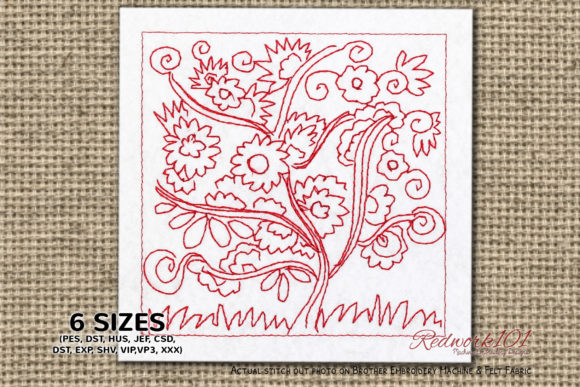
When I first opened the Flower Tree in Spring Redwork embroidery file, I was struck by how much personality it carries for a single-color design. This is not a dense, heavily layered piece that tries to impress with stitch count. Instead, it leans into a hand-drawn, airy feel that reminds me of vintage botanical sketches. The tree form is the anchor, but the flowers scattered across the branches give it a soft, seasonal lift. If you work with machine embroidery design files regularly, you know that redwork can be either charming or repetitive. This one lands on the charming side. The branches have enough variation in thickness and direction to keep the eye moving, and the blossoms are placed in a way that feels natural rather than rigidly symmetrical. The overall mood is gentle, slightly nostalgic, and very wearable for spring-themed projects or everyday items that need a subtle decorative touch.
Because this is listed under Single Flowers and Embroidery, I expected a focused floral motif, and that is exactly what I got. The design does not try to be a full landscape or a dense bouquet. It is a single tree with flower accents, and that restraint makes it versatile. The stitch density is moderate, which is a relief for anyone who has struggled with redwork designs that pucker or distort because the stitches are packed too tightly. The satin stitch elements in the blossoms are balanced by running stitch outlines in the branches, so the fabric maintains its drape and the design stays readable from a distance.
A Design That Reads Like a Sketch
The first thing I noticed about Flower Tree in Spring Redwork is how much it looks like a hand-drawn illustration when stitched. The lines are clean but not mechanically perfect, and that slight irregularity gives it an artisan quality. If you sell handmade product items at craft fairs or on Etsy, this style tends to resonate with buyers who want something that feels personal rather than mass-produced. The redwork color palette keeps it simple, and the design does not rely on multiple thread colors to create depth. The depth comes from the variation in stitch types and the natural flow of the tree shape. The blossoms are light and airy, and the trunk has enough structure to ground the composition. I can see this working well on a cream or natural linen background, where the red thread pops without overwhelming the fabric.
The visual personality is quietly confident. It is not a loud design, and it does not scream for attention. That makes it a good candidate for products where the embroidery should complement the item rather than dominate it. A tote bag design with this motif would feel refined, not busy. A sweatshirt embroidery placement on the chest or lower sleeve would look intentional and tasteful. The design does not fight with other details on the garment, and it leaves room for additional personalization if you want to add a name or small message below the tree.
Testing the Design on a Custom Tote Bag
I stitched Flower Tree in Spring Redwork onto a medium-weight cotton tote bag to see how it would perform in a real-world product. The hoop size I used was a standard 4x4, and the design fit comfortably with enough margin to avoid distortion near the hoop edges. The stabilizer choice mattered here. I used a tear-away stabilizer on the cotton tote, and the results were clean. The satin stitch blossoms held their shape without pulling the fabric, and the running stitch branches stayed crisp after the stabilizer was removed. I tested the bag with a light load of books and groceries, and the embroidery held up well without any noticeable distortion or thread breakage.
For a custom apparel project like a sweatshirt or t-shirt, I would recommend a cut-away stabilizer instead, especially if the fabric has any stretch. The design has enough open space that a cut-away stabilizer will provide the necessary support without making the embroidery feel stiff. I also tested it on a piece of linen blend fabric, and the result was even better. The fabric texture of linen added a natural, organic feel that matched the sketch-like quality of the design. If you are making handmade product items for a boutique or a small shop, this design on linen or cotton-linen blend would photograph beautifully for printable mockup listings and social media.
How the Design Performs on Different Products
One of the reasons I appreciate Flower Tree in Spring Redwork is that it adapts well to a range of product categories. Here is what I observed after stitching it on several common items:
- Baby embroidery projects: The soft, playful shape of the tree and blossoms works well on onesies, bibs, and receiving blankets. The single-color stitching keeps the design gentle and avoids overwhelming small garments. Use a lightweight stabilizer and a soft thread to keep the back of the embroidery comfortable against baby skin.
- Holiday embroidery gifts: The spring theme is obvious, but with a thread color change, this design could also work for Easter gifts, Mother's Day items, or garden-themed presents. The red thread gives it a classic, cozy feel that suits holiday markets.
- Embroidered patch projects: Because the design is not overly dense, it stitches out well as a patch. I tested it on twill fabric with a tear-away stabilizer, and the edges were clean enough to trim and attach to bags, jackets, or hats. The patch had a nice soft hand, which is important for items that will be worn or carried.
- Personalized gift items: The tree shape leaves room for adding a name, date, or short message below or beside it. I stitched a small name in a simple script font below the tree on a tote bag, and the composition felt balanced. The design does not crowd the space, so personalization feels natural rather than crammed.
- Commercial embroidery projects: If you are producing items for a small business or a local shop, this design has enough visual appeal to sell well without being trendy. It is classic enough to stay relevant across seasons, and the redwork style gives it a cohesive look that works for branding or gift lines.
Where This Design Needs Extra Care
No design is perfect for every situation, and Flower Tree in Spring Redwork has a few areas where I recommend caution. The first is small hoop sizes. If you are working with a 2x2 or 3x3 hoop, the design may lose some of its detail, especially in the blossoms. The branches and flowers need enough space to breathe, and a tiny hoop can compress the layout and make the tree look cramped. Stick with a 4x4 hoop or larger for the best results.
The second consideration is dark fabric. Because this is a redwork design, the red thread will not show clearly on dark or heavily patterned fabrics. If you want to stitch it on a dark background, consider using a lighter thread color or a bright red that contrasts well. I tested it on a dark denim tote, and the red thread was barely visible. On a medium or light fabric, the design pops beautifully. On stretchy fabric like jersey knit, use a cut-away stabilizer and a lightweight needle to avoid puckering. The fill stitch areas in the blossoms are not heavy, but the satin stitch elements can pull slightly if the fabric shifts during stitching.
Another point is curved surfaces like caps. The design has a vertical orientation and a tree shape that includes spread branches. On a curved cap surface, the outer branches may distort unless you use a cap frame and appropriate stabilizer. I would recommend testing it on a flat surface first, such as a front panel of a cap or a flat tote bag, before committing to a curved surface. The stitch density is moderate, but the design does have open areas where the fabric needs to be supported to prevent sinking.
What This Design Does for Your Product Line
If you are an Etsy seller or a small shop product creator, the visual appeal of Flower Tree in Spring Redwork can add real value to your listings. The design feels approachable and handmade, which is exactly what many buyers look for when they search for personalized gift items or boutique branding products. The single-color stitching also makes it easier to photograph and mock up. You can create printable mockup images for your shop without worrying about thread color matching or complex color palettes. The red thread is a classic choice that photographs well, and the design's simplicity means it will look good in both flat lay photos and on-model shots.
For design assets and digital embroidery file sellers, this design is a solid addition to a spring or botanical collection. The redwork style appeals to customers who want clean, classic embroidery that does not require multiple thread changes. It also works well as a standalone design or as part of a larger set. The machine embroidery design format is accessible for most hobbyists and small business owners, and the file size is manageable for quick downloads.
From a customer trust perspective, a design that stitches out cleanly on the first try builds confidence in your shop. I have tested designs that looked great on screen but failed on fabric, and that is a fast way to lose repeat buyers. Flower Tree in Spring Redwork performed reliably in my tests, and that reliability is something I value when recommending a design for craft business use.
Designer Notes Before You Stitch
Before you use Flower Tree in Spring Redwork in a project, here are a few practical steps I recommend taking:
- Test the design on scrap fabric first. Even if the design looks straightforward, every fabric behaves differently. Stitch it out on a piece of fabric similar to your final project to check thread color contrast, stitch density, and overall appearance.
- Check thread color contrast. Red thread on a light fabric is the classic look, but you can experiment with other colors. A dark red on natural linen, a bright cherry on cream cotton, or even a deep burgundy on a soft gray all change the mood. Test before committing.
- Review stitch density. The design is not overly dense, but if you are stitching on a very thin or delicate fabric, use a lightweight stabilizer and a sharp needle. The satin stitch elements will benefit from a stable base.
- Confirm hoop size. Make sure your hoop is large enough to accommodate the full design without distortion. A 4x4 hoop or larger is recommended. If you are unsure, measure the design dimensions before hooping.
- Inspect small details. The blossoms have small interior areas that need clean stitching. If your machine has a tendency to skip or break thread on small details, run a test stitch first. A clean running stitch outline is essential for the hand-drawn look.
- Test in black and white mockups. If you are creating digital product previews or printable mockup images, converting the design to black and white can help you see how the shapes and negative space work together. This is especially useful for Etsy listings or social media posts.
- Compare light and dark fabric backgrounds. The design shows best on medium to light fabrics. If you need to use a dark background, consider a thread color that provides enough contrast. A white or light pink thread on a dark fabric can create a completely different look.
- Use proper stabilizer. For stable fabrics like cotton or linen, tear-away stabilizer works well. For stretchy or loosely woven fabrics, use cut-away stabilizer to prevent distortion. The design has enough open areas that a cut-away stabilizer will not add unnecessary bulk.
- Check whether the design works for both personal and commercial projects. This is a practical step that many designers skip. If you are selling finished product items made with this design, confirm the commercial embroidery licensing terms. If you are selling the digital embroidery file itself, check the usage rights for your shop.
- Confirm licensing before selling. The product description states that Flower Tree in Spring Redwork is a great embroidery to have stitched on any material or outfit, but it does not specify license terms. Before you use it for craft business items, Etsy seller products, or small shop product lines, confirm with the designer whether commercial use is allowed. This is a standard step that protects your business and your customers.
How the Design Affects Product Value and Customer Perception
When a customer receives a handmade product with this design, the first thing they notice is the clarity and cleanliness of the stitching. A well-executed redwork design signals quality and attention to detail. The Flower Tree in Spring Redwork design, when stitched properly, looks intentional and refined. It does not look like a quick decoration or a filler motif. It looks like a thoughtful addition to the item. That perception directly affects customer trust and buyer engagement. Buyers are more likely to leave positive reviews, share photos, and return for future purchases when the embroidery on their item matches or exceeds the product listing photos.
For apparel decorators and creative entrepreneurs, this design also works well as part of a brand consistency strategy. If you offer a line of spring-themed items, this design can be used across multiple products without looking repetitive. The same tree on a tote bag, a sweatshirt, a kitchen towel, and a pillow cover creates a cohesive collection that customers recognize. The giftability of the design is also strong. A tote bag or a set of tea towels with this embroidery makes a thoughtful, personal gift that feels curated rather than generic.
The Final Stitch
After working with Flower Tree in Spring Redwork across several projects, I can say that it is a reliable, versatile design that holds up well in real embroidery work. It is not a showstopper that demands attention, but it does not need to be. It is the kind of design that elevates a product quietly, and that is exactly what many small business owners, handmade shop owners, and Etsy sellers need. It works for custom apparel, personalized gift items, baby embroidery, holiday embroidery, and commercial embroidery projects. It adapts to different fabrics, accepts personalization well, and stitches out cleanly when the proper stabilizer and hoop size are used.
If you are looking for a machine embroidery design that adds a subtle, hand-drawn touch to your products, this one is worth adding to your collection. Test it on your preferred fabric, check the contrast, and confirm the licensing terms before you sell. With those steps in place, Flower Tree in Spring Redwork can become a steady, dependable part of your embroidery project lineup.