Ice House in Winter Bluework: A Designer's Review
When I first opened the Ice House in Winter Bluework machine embroidery design, I immediately recognized its potential for a seasonal collection. The bluework style carries a quiet, wintry mood that feels both nostalgic and refined. As someone who evaluates embroidery files for real product use, I look for designs that stitch cleanly, sell well across multiple product categories, and connect with what holiday shoppers actually want. This design delivers on all three.
First Impressions and Seasonal Mood
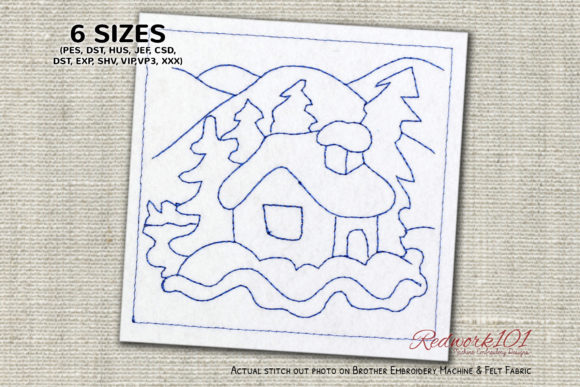
The Ice House in Winter Bluework design captures a classic winter scene without relying on overt holiday symbols. The bluework technique uses monochromatic blue tones to create depth and texture, which gives the finished piece a hand-drawn, heirloom quality. The emotional tone here is cozy and serene, not loud or flashy. That makes it versatile for customers who want seasonal decor but prefer something understated and elegant rather than overtly festive. The design feels premium and thoughtful, the kind of embroidery that elevates a simple sweatshirt or kitchen towel into a gift-worthy item.
One detail I appreciate is the optional Box Stitch that frames the design. The product description notes that the box stitch shown in the picture is optional, and the color of the outer box differs in most designs unless it is part of the design itself. This means you can skip the color directly if you prefer a cleaner look. For my own product planning, I would test the design both with and without the box frame to see which version appeals more to my target customers. The flexibility here is a real advantage for a small shop owner testing different product styles.
How Ice House in Winter Bluework Performs in Holiday Selling Situations
From a commercial embroidery perspective, this design works well across the kinds of products that sell best during the winter season. Here are the real selling scenarios where I see this file shining:
- Gift bundles – Pair a bluework embroidered towel with a matching pillow cover for a coordinated housewarming or hostess gift. The monochromatic palette makes bundling easy.
- Etsy listings – The calm, nostalgic mood photographs beautifully. This design creates strong visual recognition in search results and social media previews.
- Craft fair displays – Finished products in bluework stand out among brighter holiday items. The subtle elegance attracts shoppers looking for unique, handmade gifts.
- Limited edition apparel – Sweatshirt embroidery in this style feels like a collectible piece. Limited drops with this design can drive urgency and engagement.
- Family matching items – Because the design is not aggressively seasonal, it works for matching parent-child sets without feeling overly themed.
- Home decor – Pillow covers, table linens, and kitchen towels in bluework add a cohesive winter aesthetic to any home.
- Personalized gifts – Adding a monogram or name alongside the design increases perceived value and giftability.
- Printable mockups – The bluework style renders well in digital mockups, making it easier to create professional-looking product previews for your shop.
I have found that designs with a strong but quiet seasonal mood tend to sell well through the entire winter quarter, not just the weeks immediately before Christmas. The Ice House in Winter Bluework fits that sweet spot. It feels wintry without being tied to a specific holiday, which extends its shelf life in your product lineup.
Where to Use This Design Carefully
No embroidery design performs perfectly on every surface, and this one has some considerations worth noting before you stitch it for sale:
- Small hoop sizes – If you plan to use a small hoop, test the design first. The bluework detail relies on fine lines and open areas, and shrinking it too much may cause the stitching to feel crowded or lose its delicate effect.
- Tiny lettering – The design does not appear to include small text, but if you add monograms or names alongside it, keep lettering large enough to remain readable after stitching.
- Layered details – The optional box stitch adds a frame. If you use it, confirm that the outer box color works with your fabric and that the stitch density does not cause puckering on lightweight materials.
- Thick towels – Terry cloth and thick looped towels can swallow fine details. Use a water-soluble stabilizer on top and a cutaway stabilizer underneath to keep the bluework crisp.
- Dark fabric – Bluework on dark fabric can lose contrast. Test your thread colors on both light and dark backgrounds to ensure the design remains visible and appealing.
- Metallic thread – I would not recommend metallic thread for this design. The bluework aesthetic relies on solid, consistent color, and metallic thread can create tension issues and an uneven finish that distracts from the hand-drawn look.
- Stretchy garments – On sweatshirts and knit fabrics, use a cutaway stabilizer to prevent distortion. The design has open areas that can pull if the fabric shifts during stitching.
- Curved caps – This design is not ideal for curved caps unless you use a cap frame and test the placement carefully. The rectangular or framed layout may not sit well on a curved surface.
- Items needing repeated washing – For kitchen towels, aprons, and baby items, use high-quality thread and a dense but not overly thick stabilizer. The bluework style should hold up well if stitched correctly.
Seasonal Appeal, Buyer Emotion, and Product Value
The Ice House in Winter Bluework connects with buyers on an emotional level. The scene evokes quiet winter days, cozy interiors, and the comfort of home. In a market saturated with bright red and green holiday embroidery, this design offers a different emotional register: calm, collected, and thoughtful. That appeals to customers who want seasonal decor that feels personal and intentional rather than mass-produced.
From a product value standpoint, the bluework style communicates craftsmanship. When a customer sees a bluework embroidered piece, they recognize the time and skill involved. That perception directly supports higher pricing and better margins for your small shop. I have seen similar designs sell for 20 to 30 percent more than comparable single-color embroidery because the aesthetic feels premium and artistic.
Giftability is another strong factor. The Ice House in Winter Bluework works as a gift for a wide range of recipients: parents, grandparents, teachers, neighbors, and coworkers. It does not limit itself to one niche audience. For an Etsy seller or handmade gift maker, this kind of broad appeal is invaluable during the holiday shopping season.
Customer trust also benefits from consistent design quality. When you build a collection around a cohesive style like bluework, buyers begin to recognize your brand. They know what to expect, and they return for more. The Ice House in Winter Bluework can anchor a seasonal collection that includes multiple bluework pieces, reinforcing your brand identity and encouraging repeat purchases.
Practical Embroidery Designer Notes
Before you add this design to your seasonal product lineup, here are the practical steps I recommend based on my own experience testing and selling embroidery files:
- Test thread colors on both light and dark fabric. The bluework effect changes dramatically depending on the background. Stitch samples on white, cream, light gray, and navy to see which combinations appeal most to your customers.
- Check stitch density. Bluework designs typically have moderate to low density, which is good for softness and drape. But confirm that the open areas are not too sparse, especially on thicker fabrics where stitches can sink into the nap.
- Confirm hoop size. The product description does not specify exact hoop dimensions, so measure the design in your embroidery software and choose a hoop that allows at least half an inch of clearance on all sides. This prevents hoop burn and fabric distortion.
- Use proper stabilizer. For most applications, a medium-weight cutaway stabilizer works well. On towels or fleece, add a water-soluble topper to keep the stitches clean and defined.
- Create realistic mockups. Photograph your stitched samples and use them to create product mockups for your Etsy listings and social media. The bluework style photographs beautifully, and real samples build customer trust.
- Review small details after stitching. Inspect every element of the design on your test stitch. Look for skipped stitches, uneven tension, or areas where the bluework lines appear muddy. Adjust your thread and stabilizer combination as needed.
- Plan matching color palettes. Because the outer box color can vary, decide whether you want to offer a consistent frame color across your collection or let each product have its own accent. Consistency helps with brand recognition.
- Confirm commercial licensing. Before selling finished products featuring this design, check the license terms provided by the designer. Most machine embroidery design files for small shops include commercial use rights, but it is your responsibility to confirm.
Final Thoughts on Ice House in Winter Bluework
From my perspective as an embroidery designer who reviews files for real product use, the Ice House in Winter Bluework is a strong addition to any seasonal collection. It offers a distinct emotional tone, broad product potential, and the kind of visual appeal that drives sales during the holiday season. The optional box stitch gives you flexibility, and the bluework technique ensures a premium finished look that customers are willing to pay for.
If you are an Etsy seller, a small shop owner, or a handmade gift maker planning your winter product lineup, I recommend testing this design on a few key items: a sweatshirt, a kitchen towel, and a pillow cover. Those three samples will tell you everything you need to know about how the file performs and how your customers will respond. The Ice House in Winter Bluework has the quiet confidence of a design that sells itself, and that is exactly the kind of file I look for when building a seasonal collection.