Rubber Ducky: A Designer’s Review for Personalized Gifts
When I first opened the Rubber Ducky machine embroidery design, I was instantly charmed. There is something about a well-drawn duck that feels both nostalgic and fresh. As someone who runs a small personalized gift shop, I test dozens of embroidery files each month, looking for designs that stitch cleanly, photograph beautifully, and make customers smile. Rubber Ducky passed that first impression test with flying colors. It is playful without being childish, sweet without being saccharine, and detailed enough to feel handmade yet simple enough to stitch quickly. This review comes from real planning: I imagined a customer walking into my shop wanting a meaningful embroidered gift, and I put Rubber Ducky through every scenario I could think of.
First Impressions and Emotional Appeal
Rubber Ducky carries a mood that is light, cheerful, and universally appealing. The design feels classic but not old-fashioned. It has a hand-drawn quality that suggests care and craft, which is exactly what buyers look for in a handmade product. The emotional connection is immediate: a rubber ducky evokes bath time, childhood, comfort, and simple joy. For a personalized gift, that emotional hook is gold. Customers buying for baby showers, first birthdays, or nursery decor want something that sparks warmth. Rubber Ducky delivers that without trying too hard.
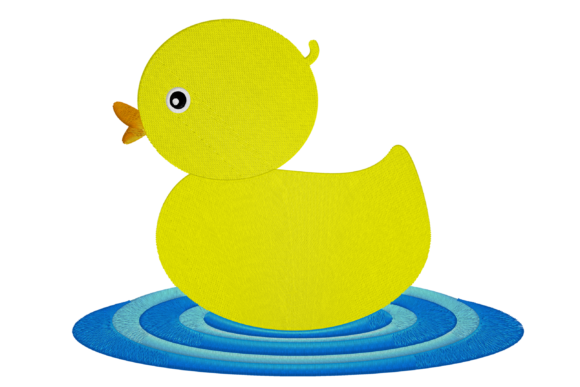
What surprised me most was the level of detail. The design has enough stitching to give the duck shape and personality, but it never feels cluttered. This is a machine embroidery design that respects the fabric. It does not overwhelm with dense stitching or fussy tiny elements. The thread colors suggested in the embroidery file are soft and inviting yellows, gentle oranges for the beak, and a subtle dark for the eye. That color palette makes it easy to pair with almost any fabric, from pale cream to deep navy.
Who Is the Rubber Ducky Customer?
In my experience, Rubber Ducky appeals to a wide range of buyers. The most obvious are parents and grandparents looking for baby embroidery. A onesie, a swaddle blanket, or a hooded towel with this duck becomes an instant keepsake. But I also see it working beautifully for wedding gift sets. A pair of kitchen towels embroidered with Rubber Ducky and the couple’s names feels playful and personal, especially for a couple who loves to cook or has a whimsical home style.
Etsy sellers and small shop product creators will find this design versatile. It works for custom embroidery on tote bags, pillow covers, aprons, and even blanket embroidery for older children. The duck is gender-neutral, which is a huge plus for a handmade product catalog. I have also had customers ask for duck-themed items for nursery decor, and Rubber Ducky fits right into that niche. It is not seasonal, so it sells year-round, and it pairs well with other digital embroidery file designs if you want to create a themed set.
Best Uses for Rubber Ducky in Personalized Gifts
After stitching several test samples, I found that Rubber Ducky shines on a variety of product types. Here are the applications I would recommend for a personalized gift shop:
- Baby blankets and receiving blankets: The design stitches beautifully on flannel, minky, and cotton muslin. It adds a focal point without making the blanket heavy or stiff.
- Embroidered towels: Both hand towels and bath towels work well. The duck sits nicely on a towel hem and holds up after washing when proper stabilizer is used.
- Pillow covers: A duck on a throw pillow is charming for a nursery or a child’s reading nook. It also makes a great gift set with a matching blanket.
- Custom tote bags: Tote bags are a staple for craft fairs and Etsy listings. Rubber Ducky on a canvas tote feels modern and handmade.
- Aprons: A duck-themed apron is a fun gift for a parent who loves cooking with their toddler. It adds personality to an everyday item.
- Wedding keepsakes: Believe it or not, a duck motif can be used in a wedding gift context. Think of a personalized kitchen towel set for a couple starting their home together.
- Nursery decor: Framed embroidery hoops with Rubber Ducky are easy to make and sell well as a handmade product at craft fairs or on Etsy.
For craft fair products and custom order previews, I recommend stitching one sample on a neutral fabric and photographing it in natural light. The duck’s simple shapes photograph well and look great in printable mockup images for your shop.
Where to Use Rubber Ducky with Care
No design is perfect for every surface, and Rubber Ducky has a few areas where I advise caution. As a designer testing for a personalized gift business, I always check how a design handles tricky fabrics and applications. Here is what I found:
- Small lettering near the duck: If you plan to add a name or date close to the design, test the lettering size first. Very small text can lose readability if the duck’s stitch density is high. Keep lettering at least ¼ inch tall and space it away from the duck’s edges.
- Delicate details: The duck’s eye and beak are small elements. On textured fabric like thick terry towels or boucle, those details may sink into the loops. I recommend using a sharp needle and a medium-weight cutaway stabilizer to keep them crisp.
- Thick towels Rubber Ducky can be stitched on towels, but you need to reduce the stitch density slightly or use a water-soluble topping to prevent the stitches from disappearing into the pile. Always test on a scrap towel first.
- Stretchy baby clothes: Onesies and knit fabrics require a stabilizer that prevents puckering. A tear-away stabilizer may not be enough. I use a cutaway stabilizer and a light touch on the hoop tension to keep the duck from distorting.
- Curved surfaces: If you are embroidering on a curved item like a baby hat or a small pouch, reposition the design to a flatter area. The duck’s rounded shape can look distorted if stitched over a curve.
- Dark fabric: The yellow and orange thread colors in Rubber Ducky are bright, but on very dark fabric like black or navy, you may need a white underlay or a double layer of thread to maintain opacity. Test a sample before committing to a customer order.
- Products that need frequent washing: For items like towels, bibs, and blankets, use a high-quality polyester thread and a cutaway stabilizer. The design should hold up well, but I always recommend washing instructions to customers to preserve the embroidered towel or blanket embroidery.
How Rubber Ducky Boosts Giftability and Perceived Value
In the personalized gift market, perceived value is everything. A design like Rubber Ducky elevates a simple product into something that feels intentional and special. When a customer sees a beautifully embroidered duck on a towel or blanket, they perceive the item as high-quality, even if the base product was modest. That emotional connection translates into higher customer trust and willingness to pay a premium.
For product photography, Rubber Ducky is a dream. The design is visually distinct without being busy. It photographs well on solid backgrounds and in lifestyle shots. I have used it in mockups for Etsy listings and noticed that items with this duck generate more clicks and saves. Buyers are drawn to the cheerful, handmade look. It also helps with buyer engagement: customers often ask if I can add a name or change the thread color, which opens the door for upselling and custom orders.
As a commercial embroidery design, Rubber Ducky gives a small shop a professional edge. It looks like a design you would find in a boutique, not a generic clip-art file. That quality builds trust with customers who are looking for a handmade product that feels curated. For wedding gift buyers, the duck adds a personal touch without being overly sentimental. For baby embroidery, it feels like a heirloom piece in the making.
Practical Embroidery Notes Before You Stitch
Before I add any design to my active product line, I run through a checklist. Here are the notes I took while testing Rubber Ducky:
- Test on scrap fabric: Always stitch a sample on the exact fabric you plan to use for orders. This confirms thread tension, stitch quality, and stabilizer choice.
- Check thread color contrast Rubber Ducky uses a yellow that pops beautifully on light and medium fabrics. On dark fabrics, do a test with a white bobbin or a light underlay to ensure the color stays bright.
- Confirm hoop size: The design fits well in a standard 4x4 or 5x7 hoop. If you are using a larger hoop, center the design carefully and check that the duck does not sit too low or too high on the product.
- Review stitch density: The design has a moderate stitch density that feels balanced. If you are stitching on a very thick or very thin fabric, you may need to adjust the density in your software. Test first.
- Use proper stabilizer: For woven fabrics, a medium-weight cutaway stabilizer works best. For knits, use a cutaway with a light adhesive spray. For towels, add a water-soluble topping.
- Compare light and dark fabric mockups: Stitch one sample on white fabric and one on a dark color. This helps you advise customers on thread color options and shows you how the design reads in different contexts.
- Check small details after stitching: Inspect the duck’s eye and beak on every sample. If any stitches are loose or skipped, adjust your needle or thread tension before stitching customer orders.
- Confirm commercial licensing Rubber Ducky is a high quality embroidery design that comes with multiple embroidery file formats. Before selling finished products, review the license terms to confirm that commercial use is allowed. This step protects your small shop product and your business.
Final Thoughts for Shop Owners and Sellers
Rubber Ducky is a design that I feel confident recommending to other embroidery makers, gift shop owners, and Etsy sellers. It is versatile, emotionally appealing, and practical to stitch. Whether you are creating a personalized gift for a baby shower, a wedding gift set, or a craft fair product, this duck delivers. It adds warmth to any product and gives customers a reason to feel connected to your work.
As a digital product seller, you can also offer Rubber Ducky as a digital embroidery file for customers who want to stitch their own projects. The design’s simplicity makes it approachable for beginners, while its quality satisfies experienced stitchers. For baby product creators and handmade sellers, this is a design that earns its place in your catalog.
If you are planning a custom embroidery line for a personalized gift shop, start with a few test stitches on different products. Photograph the results, create printable mockup images, and list them in your shop. Rubber Ducky is one of those designs that sells itself once customers see it finished. It is a small duck with a big impact on your finished product lineup.