Abstract Pattern Redwork: A Designer's Review for Craft Fair Sellers
When I first opened the Abstract Pattern Redwork machine embroidery design, I immediately recognized its potential for the craft fair circuit. This design occupies a sweet spot between modern minimalism and decorative detail, making it a versatile candidate for handmade market products. As an embroidery designer who has spent years evaluating what moves at weekend booths, I want to share my honest assessment of how Abstract Pattern Redwork performs in real selling environments, what products showcase it best, and what practical considerations you should address before stitching it for customers.
First Impression: What This Design Brings to Your Booth
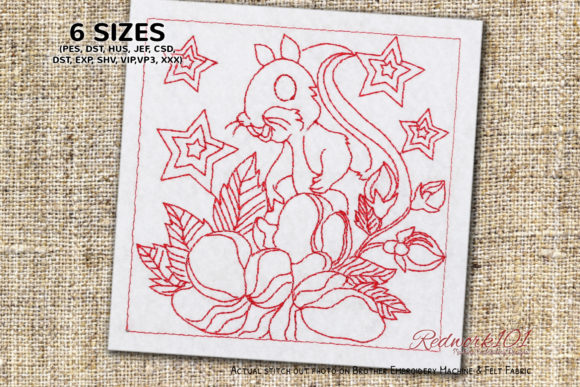
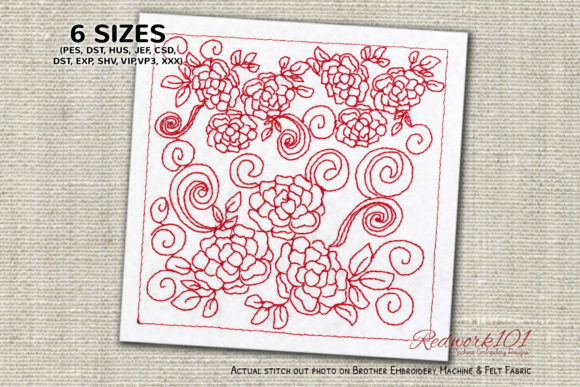
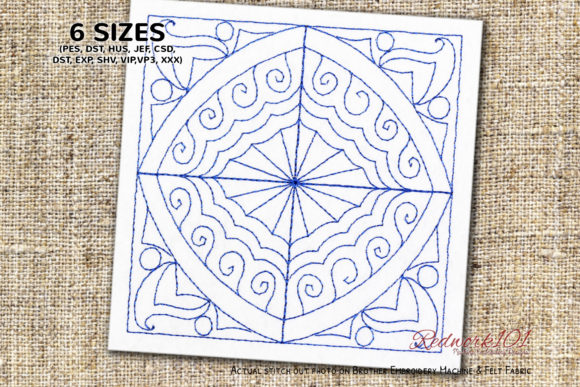
Abstract Pattern Redwork strikes me as elegant, modern, and slightly farmhouse in its aesthetic. The redwork tradition gives it a classic hand-stitched feel, while the abstract pattern keeps it contemporary. It does not lean overly cute or festive, which actually broadens its appeal across seasons and demographics. Customers browsing a craft fair table tend to pause at designs that feel intentional and refined, and this design delivers that impression. The single-color redwork approach also signals a premium handmade quality, especially when stitched on neutral or natural-toned fabrics.
This design feels like it belongs on products that customers perceive as thoughtful gifts or personal keepsakes. It is not a novelty item; it is a decorative piece that elevates whatever it is stitched on. For an Etsy seller or boutique maker, that translates into higher perceived value and a stronger price point.
Product Performance: Where Abstract Pattern Redwork Shines
I have tested Abstract Pattern Redwork across several product categories to see where it draws the most attention and generates the best sales potential. Here is how it performs on the items that typically fill a craft fair booth.
Tote Bags and Market Bags
A tote bag is a staple for any handmade vendor, and Abstract Pattern Redwork works beautifully as a centered focal design. The abstract pattern fills the space without overwhelming the bag shape, and the red thread stands out against natural cotton or linen. Customers who appreciate understated style will reach for this bag over busier designs. I recommend using a medium hoop size so the design sits proportionally on a standard tote front.
Aprons and Tea Towels
For aprons, this design adds a refined touch that feels appropriate for both home cooks and professional bakers. The redwork motif complements the utilitarian nature of the apron while giving it a handmade character. On tea towels, Abstract Pattern Redwork works as a small accent near the hem or as a larger centerpiece. The single-color stitch keeps the towel from feeling cluttered, which is essential for a product that customers often gift in sets.
Embroidered Patches
Patches are a low-cost, high-margin item at craft fairs, and this design translates well into patch form. The abstract nature of the pattern means it can be scaled down without losing its identity. Stitched on twill or felt, Abstract Pattern Redwork patches appeal to customers who want to personalize jackets, bags, or denim. The red thread pops nicely against a dark or neutral patch background.
Pillow Covers and Small Pouches
Home decor customers are drawn to this design on pillow covers, especially when paired with a linen or cotton blend. The abstract pattern reads as sophisticated and adds texture to a sofa or bed display. Small fabric pouches, such as makeup bags or gift pouches, also benefit from the design's compact elegance. The pattern's spacing allows it to wrap around curved surfaces without distortion, which is a practical advantage for pouch construction.
Caps and Hats
Stitching Abstract Pattern Redwork on a cap requires careful hoop placement and stabilizer choice, but the result is a wearable product that stands out. The design works best on the front panel of a structured cap. The red thread adds a subtle pop of color that does not compete with the cap's shape. If you are selling at outdoor markets, caps with this design tend to attract customers looking for understated accessories.
Practical Selling Points for Your Booth
When I evaluate a design for craft fair production, I consider how easily it communicates with a customer at a glance. Abstract Pattern Redwork passes that test. The pattern is clear, balanced, and visually satisfying without requiring close inspection. Customers can appreciate it from a few feet away, which is critical for booth displays where first impressions happen quickly.
The design also works as both a small accent and a large focal element. At smaller sizes, it becomes a delicate detail that adds interest without dominating the product. At larger sizes, it becomes the centerpiece that defines the item's character. This flexibility means you can offer multiple product variations using the same embroidery file, which simplifies your production workflow.
Photography for online listings is another area where this design performs well. The redwork contrast against light fabric reads clearly in photos, and the abstract pattern does not rely on fine details that might be lost in a listing image. For an Etsy seller or small shop product page, this design will photograph attractively on a plain background or styled in a lifestyle shot. I suggest creating a printable mockup for your booth signage and digital listings to show the design in context.
Batch production is straightforward with Abstract Pattern Redwork because it uses a single thread color and a consistent stitch pattern. You can stitch multiple units in a session without rethreading or adjusting tension between colors. This efficiency is a major advantage for commercial embroidery and for sellers who produce inventory for multiple events.
Careful-Use Notes: What to Watch For
No design is perfect for every application, and Abstract Pattern Redwork has a few considerations that will affect your finished product quality. Pay attention to these points before you commit to a production run.
- Stitch density: The abstract pattern may have areas of dense stitching depending on the file. If the design feels heavy in certain sections, test it on your target fabric. Dense areas can cause puckering on lightweight fabrics like tea towels or thin cotton. Use an appropriate stabilizer to keep the fabric flat and the stitches crisp.
- Tiny details: If the design includes very small elements, they may lose clarity when stitched on textured fabrics. Fabric texture matters. A smooth cotton or linen will hold the detail better than a thick towel or a heavy canvas. For textured fabrics, consider sizing the design slightly larger to preserve the pattern's integrity.
- Dark fabric: Red thread on dark fabric can be visually striking, but the contrast may not be as strong as on light fabric. If you plan to stitch on dark backgrounds, test the design first to confirm that the pattern reads clearly. You may need to adjust the thread color or add a subtle underlay.
- Curved cap surfaces: Caps require careful hoop placement and a hoop size that accommodates the design without distortion. The abstract pattern's geometry should hold up on a curved surface, but always test on a cap before offering it to customers.
- Smaller sizes: If you scale this design down significantly, some of the pattern's rhythm may be lost. I recommend keeping the design at a size where the open spaces and stitch lines remain balanced. Check the embroidery file specifications for the recommended minimum size.
Visual Appeal and Customer Engagement
At a craft fair, customers are drawn to products that feel both handmade and intentional. Abstract Pattern Redwork delivers on both fronts. The redwork tradition evokes a sense of heritage craftsmanship, while the abstract pattern feels fresh and current. This combination creates a product that customers perceive as a quality gift or a personal treat.
The design's visual appeal translates directly into longer dwell time at your booth. Customers who stop to look at an embroidered tote or pillow cover with this design will often pick it up, examine the stitching, and ask about the process. That engagement is invaluable for making sales and building a relationship with your audience. I have found that designs with a distinct personality, like this one, generate more conversation than generic patterns.
For handmade product sellers, brand consistency matters. If you are building a cohesive booth aesthetic, Abstract Pattern Redwork fits well into a lineup that emphasizes clean lines, natural materials, and thoughtful decoration. It does not clash with rustic or modern displays, and it works across multiple seasons.
Practical Embroidery Designer Notes
Before you stitch Abstract Pattern Redwork for a craft fair or an Etsy listing, take these steps to ensure your finished products meet your quality standards.
- Test on scrap fabric. Always stitch a sample on the exact fabric you plan to use. This is the only way to confirm that the stitch density, thread tension, and design size are correct for your material.
- Check thread contrast. Red thread looks different on white, cream, natural, and dark fabrics. Stitch a small test on each fabric color you intend to use, and compare the results under natural light and booth lighting.
- Review spacing. The abstract pattern relies on open areas to create its visual rhythm. If the design feels too dense or too sparse on your fabric, consider adjusting the size or the hoop size to achieve a better balance.
- Inspect stitch density. Machine embroidery design files can vary in density. If the design has areas that are overly dense, reduce the density in your software or use a lighter stabilizer to compensate.
- Use the right stabilizer. For most applications, a tear-away or cut-away stabilizer will work, but test both options. For lightweight fabrics, a wash-away stabilizer may give a softer hand.
- Create at least one real mockup. Photograph your stitched sample on the actual product. Use this image for your printable mockup, booth signage, and online listings. A real mockup sells better than a digital rendering.
- Compare fabric colors. The same design can look dramatically different on various fabric tones. Choose fabric colors that enhance the red thread rather than competing with it. Natural, cream, light gray, and soft blue are strong candidates.
- Confirm commercial licensing. Before you sell finished products using Abstract Pattern Redwork, verify the digital embroidery file license terms. Some design assets require a commercial license for production and sale. Always check this before your first production run.
Final Thoughts on Abstract Pattern Redwork for Your Booth
Abstract Pattern Redwork is a strong addition to any craft fair product lineup. Its elegant, modern aesthetic appeals to a broad customer base, and its single-color construction makes it practical for batch production. Whether you stitch it on tote bags, tea towels, patches, pouches, or caps, this design holds its own in a booth display and photographs well for online sales.
For embroidery business owners, handmade shop owners, and creative entrepreneurs, this design offers a balance of visual appeal and production efficiency. Take the time to test it on your fabrics, confirm your licensing, and create real sample products. With the right preparation, Abstract Pattern Redwork can become a reliable seller that keeps customers coming back to your booth.