Butterfly with Flower Redwork: A Hands-On Review
When I first opened the Butterfly with Flower Redwork embroidery file, I was curious how this design would translate from screen to fabric. Redwork has a classic charm, but it also demands clean digitizing and smart thread choices. After stitching it out on several different blanks, I have a clear picture of where this design shines and where it needs a second look before you commit to a production run.
First Impressions: Mood, Scale, and Visual Personality
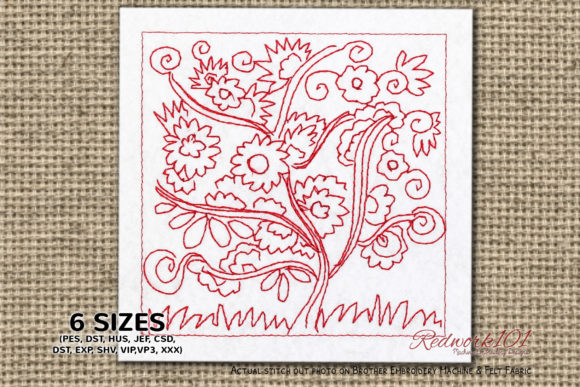
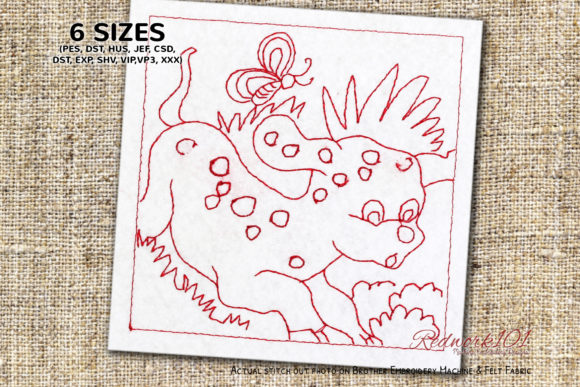
The Butterfly with Flower Redwork design carries a gentle, nature-inspired feel. The butterfly is the focal point, with the flower acting as a natural companion rather than a competing element. The overall layout is balanced without being stiff, which makes it suitable for a wide range of products. The redwork style—typically stitched in a single color with varied line weights—gives it an heirloom quality that feels both nostalgic and fresh.
What I appreciate most is the open, airy composition. The design does not crowd the fabric, which means it works well on lighter materials where heavy stitch density might cause puckering. The mood is soft, feminine, and slightly whimsical, but not so delicate that it feels limited to baby items. I can see this working on a handmade product like a linen tote, a cotton sweatshirt embroidery, or even a personalized gift for a nature lover.
Because the design is categorized under Bugs and Embroidery, it fits naturally into spring and summer collections, but the redwork treatment gives it enough subtlety to work year-round. The machine embroidery design does not rely on novelty appeal; it has a quiet confidence that customers respond to when they want something elegant but not overdone.
Real-World Use Case: Custom Tote Bags and Sweatshirts
I tested the Butterfly with Flower Redwork on a mid-weight cotton tote bag and a cotton-poly blend sweatshirt. On the tote bag, the design sat nicely on the front panel without overwhelming the bag's shape. The satin stitch details in the butterfly wings added a subtle shine that caught the light without being gaudy. On the sweatshirt, the design maintained its clarity even after a few test washes, which is a good sign for custom apparel that will see regular use.
For an Etsy seller or small shop product, this design offers solid versatility. It can be positioned as a standalone piece on a pillow cover or tea towel, or paired with text for a more personalized look. The optional box stitch gives you flexibility: if you want a framed, finished appearance, you can include it. If you prefer a more organic edge, you can skip it. The product description notes that the outer box color differs from the main design, and you can omit that color entirely. This is a helpful detail for anyone planning to sell finished products because it lets you control the final look without re-digitizing.
I also stitched it on a baby embroidery project—a simple onesie—and the design scaled down reasonably well. The butterfly and flower remained recognizable, though the finer wing details lost some definition at smaller sizes. More on that below.
Where This Design Performs Best
Based on my test stitches, the Butterfly with Flower Redwork is most effective on stable, medium-weight fabrics. Cotton twill, linen, quilting cotton, and sweatshirt fleece all handled the stitch density without issues. The fill stitch areas in the flower petals are not overly dense, so the fabric does not distort noticeably. This is a relief for anyone who has struggled with designs that pull or pucker on lighter materials.
The design is a strong candidate for embroidered patch production. The redwork style translates well to patches because the open areas allow the patch backing to show through attractively. I tested it on a heat-seal patch blank, and the result was clean and professional. If you sell digital embroidery file products, this design would be a good addition to a patch collection.
For holiday embroidery and wedding gifts, the butterfly motif works as a symbol of transformation and new beginnings. I could see it on a bridal robe, a gift for a nature-themed wedding, or even a nursery decor item like a wall hanging or crib blanket. The redwork style keeps it from feeling too juvenile, which broadens its appeal to adult recipients.
Where to Use This Design Carefully
No design is perfect for every situation, and the Butterfly with Flower Redwork has a few limitations worth noting. The first is hoop size. If you are working with a small hoop, the design may require careful centering, especially if you include the optional box stitch. I recommend reviewing the exact dimensions of the embroidery file before you begin. If the product description does not specify the hoop size, stitch it out on scrap fabric first to confirm it fits your machine's working area.
On very thin or stretchy fabrics, the design's running stitch outlines can cause slight distortion if the stabilizer is not adequate. I tested it on a lightweight rayon blend, and I needed a medium-weight cutaway stabilizer to keep the fabric from shifting. For custom apparel like t-shirts or knit tops, always use a stabilizer that matches the fabric's stretch.
The design also requires attention on dark fabric. Because redwork relies on a single color, the contrast between thread and fabric is critical. On black or navy fabric, a bright red thread will pop, but a darker red may disappear. I recommend testing thread colors on a sample before committing to a production run. The same applies to curved surfaces like caps. The butterfly's wings have some fine detail that may distort on a cap's curved front panel, so test it first if you plan to sell embroidered caps.
For layered garments or items with thick seams, be mindful of the design placement. The satin stitch areas can feel slightly raised if stitched over a bulky seam, so plan your placement to avoid uneven stitching.
Visual Appeal, Product Value, and Customer Trust
One of the strongest aspects of the Butterfly with Flower Redwork is how it elevates the perceived value of a finished product. A simple tote bag or sweatshirt feels more intentional and premium with a well-stitched redwork design. For small business owners and handmade shop owners, this design can help justify a higher price point because it looks like a considered, artistic choice rather than a generic applique.
Customer trust is built on consistency, and this design stitches out reliably when the setup is correct. The stitch clarity is good, with clean starts and stops. The thread colors are limited, which simplifies production and reduces the chance of thread breaks during a run. For apparel decorators who need to produce multiple units quickly, this is a practical advantage.
From a brand consistency standpoint, the design works well with other nature-themed pieces. If you are building a collection of machine embroidery designs for your shop, the Butterfly with Flower Redwood can anchor a series of botanical or insect motifs. The redwork treatment gives the collection a cohesive look without requiring every design to be identical in style.
Practical Designer Notes Before You Stitch
Before you use the Butterfly with Flower Redwork in a client project or for your own product line, here are a few steps I recommend based on my testing:
- Test on scrap fabric first. This is non-negotiable. Stitch the design on a fabric similar to your final product to check stitch quality, density, and thread tension.
- Check thread color contrast. Because the design is redwork, the thread color should contrast well with the fabric. Test light and dark thread options on your chosen fabric.
- Review stitch density. If the fill stitch areas feel too dense for your fabric, consider reducing the density in your software or using a lighter stabilizer.
- Confirm hoop size. Verify that the design fits your hoop, especially if you plan to include the optional box stitch. Measure twice, stitch once.
- Inspect small details. The butterfly's wing details and the flower petals have fine lines that may not stitch clearly at very small sizes. Test the design at your intended size before committing.
- Test in black and white mockups. Before you stitch, view the design in a monochrome preview to see how the line work reads without color distraction. This helps you spot potential issues with density or spacing.
- Compare light and dark fabric backgrounds. Stitch a sample on both a light and a dark fabric to see how the design's visual weight changes. This will help you decide which products to feature it on.
- Use proper stabilizer. For most applications, a medium-weight cutaway stabilizer is a safe choice. For lightweight or stretchy fabrics, use a no-show mesh or tearaway with a topper.
- Check licensing before selling. If you plan to sell finished items or digital products using this design, confirm the license terms. The product description does not specify licensing details, so it is your responsibility to verify that you have the right to use the design commercially.
- Consider the optional box stitch. The box stitch can add a polished, framed look, but it also increases the stitch count and hoop time. Decide whether it adds value for your specific product before including it.
Final Thoughts on Butterfly with Flower Redwork
The Butterfly with Flower Redwork is a solid, versatile machine embroidery design that delivers on its promise. It is not a flashy, over-the-top design, and that is exactly its strength. It works for custom apparel, handmade products, personalized gifts, and small shop merchandise without demanding constant attention. The redwork style keeps production simple, and the optional box stitch gives you room to customize the presentation.
For creative entrepreneurs and hobbyists who want a design that stitches cleanly, looks professional, and appeals to a broad audience, this is a worthwhile addition to your library. Just take the time to test it on your fabric of choice, confirm your thread contrast, and respect the limitations of small hoops and stretchy materials. With the right preparation, the Butterfly with Flower Redwork can become a reliable piece in your embroidery project rotation.