Rabbit Carrying Egg Embroidery Design Review
As an embroidery designer who has digitized, stitched, and sold hundreds of apparel pieces, I’ve learned to judge a machine embroidery design not just by its preview, but by how it will behave on fabric, how it will read in a product photo, and whether it truly adds value to a boutique collection. When I first opened the Rabbit Carrying Egg design on Creative Fabrica, I immediately saw the potential for a sweet, seasonal motif that could work across multiple garment types—especially for a spring or Easter-themed sweatshirt and hoodie capsule. But as with any design, the real test is in the stitching and the placement. Let me walk you through my honest review of this Creative Fabrica embroidery file from a production perspective.
First Impressions: Visual Personality and Stitching Mood
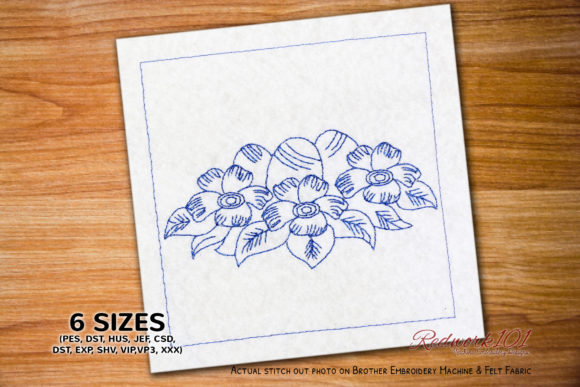
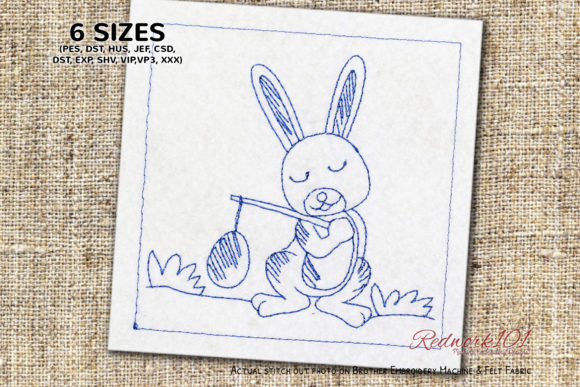
The Rabbit Carrying Egg design presents a charming, hand-drawn feel with a bluework aesthetic. The line art is delicate, and the rabbit’s pose—carrying an egg—is both playful and gentle. The mood leans toward rustic and minimal rather than overly cute or cartoonish. This makes it suitable for boutique brands that want to offer something whimsical without sacrificing a refined, handmade look. The optional box stitch adds a framed, decorative element, but as noted in the product description, the outer box color may differ from the main design unless it is part of the design itself. This is important to consider when planning thread color palettes.
From a stitching perspective, bluework designs typically rely on single-color or limited-color outlines, which can stitch out cleanly on medium-weight fabrics. The density appears moderate, so it should work well for sweatshirt embroidery and hoodie design without causing excessive puckering—provided the stabilizer is chosen correctly. The overall visual personality is classic, slightly feminine, and versatile enough to pair with pastel, neutral, or even dark backgrounds if the thread color is adjusted.
Performance on Sweatshirts and Hoodies: Chest Placement and Sleeve Accents
For a boutique apparel collection, I often start with sweatshirt embroidery placement. The Rabbit Carrying Egg design, being a relatively compact motif, fits nicely as a center chest design on a crewneck sweatshirt or a zip-up hoodie. The size of the design (though not specified in the product details) appears to be around 4x4 inches or smaller, which is ideal for single-placement embroidery. I recommend checking the hoop size and stitch density in the Creative Fabrica product page before downloading, as these details affect production speed and fabric stability.
On a neutral cream or heather gray sweatshirt, this design in a soft navy or dusty blue thread would create a subtle, elegant statement. For a more playful look, a bright pastel pink or mint green thread could lift the design for an Easter-centric collection. The bluework style actually lends itself well to monochromatic looks, which are very trendy in the custom apparel space right now. Avoid overcomplicating the thread choices—one or two colors will keep the design feeling cohesive and professional.
If you’re considering sleeve accents, the Rabbit Carrying Egg could be used as a single motif on the upper sleeve of a hoodie, especially if the design is scaled down. However, be mindful of sleeve curvature and ribbing. Test on a similar fabric texture first, as stretchy ribbed cuffs may distort the stitching. I would recommend placing it on the flat part of the sleeve, not over seams.
Expanding the Collection: T-Shirts, Tote Bags, and Denim Jackets
This design is not limited to sweatshirts. As a boutique brand owner, I often look for versatile embroidery files that can migrate across multiple product types. The Rabbit Carrying Egg works beautifully on a classic cotton t-shirt—especially if the shirt is a slightly oversized fit. The design’s delicate lines contrast nicely with the casual feel of a tee. For a tote bag design, the same motif can be placed centrally or off-center for a modern look. The optional box stitch could frame the design nicely on a tote, giving it a structured, finished appearance.
Denim jackets are another strong candidate. The bluework style of Rabbit Carrying Egg complements the rugged texture of denim, especially if you use a bright white or gold thread. The design’s moderate stitch density should not cause excessive needle breaks on denim, but using a sharp needle and a stabilizer designed for heavy fabrics is essential. I’ve seen similar bluework designs become bestsellers on Etsy for custom denim jackets, and this one has the same potential.
For handmade product photos and printable mockups, the design’s clean lines make it easy to photograph well. It doesn’t rely on heavy shading that might disappear in low-resolution images. This is a plus for Etsy sellers and small shop product pages where visual clarity is crucial for conversion.
Placement Considerations: Where to Be Careful
No design is perfect for every surface. Here are a few areas where I recommend caution with the Rabbit Carrying Egg:
- Small chest placement on bulky fleece: If the design is too small, it may get lost on a thick, textured sweatshirt. Consider scaling up slightly, but be aware that scaling affects stitch density. Always test on a scrap of the actual fabric.
- Dense stitch areas: The box stitch, if used, could create a dense border that may cause puckering on stretchy fabrics like jersey or ribbed cuffs. If you choose to include the box, use a cutaway stabilizer and a medium-weight tearaway as a topper to keep the stitches crisp.
- Dark garments: The bluework style typically uses light thread colors. On dark fabric, the design may lack contrast unless you switch to a bright thread (white, neon, metallic). Test thread color contrast thoroughly before production.
- Curved surfaces: Avoid placing the design too close to the neckline or armhole curve where the fabric may distort. Keep it on the flattest part of the garment.
- Tiny lettering or details: The design appears to have fine lines. If you scale it down significantly, small details may blur or break. Check the machine embroidery design file for minimum stitch length.
How This Design Affects Apparel Value and Brand Identity
In the competitive world of custom apparel, a well-chosen design can elevate your boutique brand from generic to memorable. The Rabbit Carrying Egg design communicates a sense of care, artistry, and seasonal relevance. It’s not an overused cliché—it’s a unique piece that can help your product recognition grow. When customers see a consistent visual style across your products, they begin to trust your brand’s aesthetic. This design, with its hand-drawn charm, fits perfectly into a cohesive collection of nature-inspired or nostalgic motifs.
For commercial embroidery, the design’s simplicity means faster stitch times, which translates to better profit margins on items like sweatshirt embroidery or hoodie design. You can also offer it as a customization option for customers who want a unique, non-mass-produced look. The finished product will likely appeal to buyers looking for thoughtful, handmade gifts or seasonal wardrobe pieces.
From a customer engagement perspective, this design works well for social media graphics. A close-up photo of the stitched rabbit on a soft pastel hoodie, paired with a simple caption, can generate strong interest. The digital embroidery file itself is a solid foundation for building a small shop product collection that feels curated rather than random.
Practical Embroidery Designer Notes
Before you commit to production, here are my standard checks for any Creative Fabrica embroidery design—and specifically for Rabbit Carrying Egg:
- Test on scrap fabric: Always stitch a sample on the exact type of fabric you plan to use. This is non-negotiable. You’ll catch issues with tension, density, and thread breaks before they ruin a garment.
- Check stabilizer choice: For sweatshirt fleece, I recommend a medium-weight cutaway stabilizer. For lightweight fabrics like t-shirt jersey, use a tearaway with a topping. The design’s density will determine the stabilizer weight.
- Review thread color contrast: The bluework style is traditionally done in blue, but you can customize. Make sure the thread stands out against the fabric. Dark fabric? Use a bright thread. Pastel fabric? Use a slightly darker or metallic thread for pop.
- Confirm hoop size: Ensure the design fits within your hoop. If the product page does not specify dimensions, measure the design in your embroidery software or contact the seller. A design that is too small for the hoop may cause registration issues.
- Inspect stitch density: If the design has too many stitches in a small area, it may cause the fabric to pucker. Reduce density if needed, or choose a thicker fabric. The Rabbit Carrying Egg appears to be moderate in density, but verify.
- Compare placement options: Try the design in different positions—chest, upper back, sleeve, tote center. Use a printable mockup or a physical garment to visualize. Sometimes a design looks better off-center than centered.
- Check Creative Fabrica product details and licensing: Before selling finished apparel, review the license terms for the design. Some designs are for personal use only, while others allow commercial use with attribution or a limit. Always respect the creator’s terms.
Final Thoughts on Rabbit Carrying Egg for Apparel
After reviewing the Rabbit Carrying Egg design, I can confidently say it is a strong addition to an Easter embroidery collection or a spring-themed boutique line. The bluework embroidery style offers a timeless, artisanal quality that stands out from overly digitized, cartoonish motifs. With proper testing and thoughtful placement, this design can become a reliable seller across sweatshirts, hoodies, t-shirts, and tote bags. Whether you are a Creative Fabrica user looking for fresh inspiration or an Etsy seller building your next seasonal collection, this design is worth considering. Just remember to do your due diligence on the technical details—hoop size, stitch density, and stabilizer—before you start production. Happy stitching.